


Sustainable Seaweed Farming and Aquaculture

By: Kai Parr
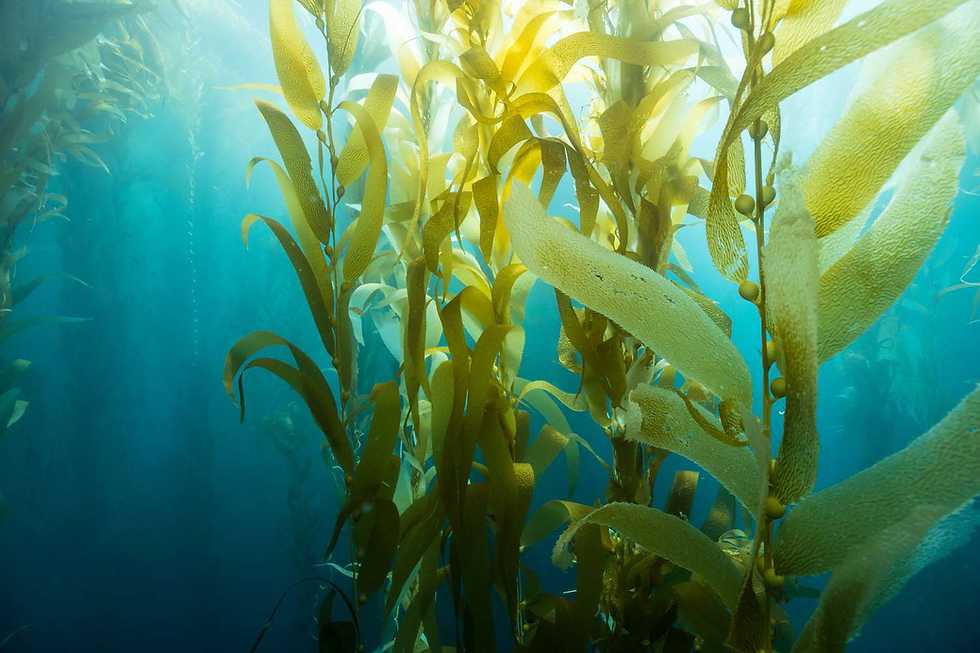
Seaweed refers to thousands of species of marine algae with many people around the world consuming it as a part of their daily diet. There are many different ways to enjoy seaweed, as people use it to make sushi, salads and more. According to Harvard Health, “Nutrients that seaweed can contain include iron, magnesium, vitamin A, vitamin C, vitamin B9, iodine, vitamin K, fiber, DHA and EPA (healthy omega-3 fatty acids), potassium, and phytochemicals including polyphenols and carotenoids”. Outside of being a source of food for both humans and animals, seaweed has been used in the production of sustainable packaging and even in medicine.
Seaweed also farms sustainably- it doesn’t require land, freshwater, or any kind of fertilizers, and can be harvested in as little as six weeks. The majority of seaweed is grown in the ocean, utilizing aquaculture techniques. Traditional farming practices, on the other hand, come with many consequences. Agriculture requires a lot of water, leading to drought and a depletion of freshwater reserves. Traditional farming practices also take up a lot of land and space, leading to a loss of biodiversity, especially in areas that have been cleared to make more room. Commonly used pesticides and fertilizers can run off into rivers and streams which flow into the ocean, causing marine pollution and eutrophication.
As the effects of climate change loom larger than ever, with excess carbon dioxide in the atmosphere trapping heat, the Earth is heating up. The ocean serves as a carbon sink, meaning it absorbs large amounts of carbon. When the ocean absorbs carbon dioxide, it reacts with water to form carbonic acid. With carbon dioxide levels in the atmosphere increasing rapidly, more and more of the water molecules in the ocean react with atmospheric carbon dioxide to form carbonic acid and making the ocean more acidic.
Seaweed essentially counteracts some of the effects of ocean acidification by absorbing large amounts of carbon dioxide from both the atmosphere and water as it grows.
Additionally, when grown in large quantities, seaweed can also provide a habitat for a variety of species, many of which have lost their habitats due to marine pollution.
Seaweed is not just a nutritional and tasty snack, it actually comes with a plethora of benefits in its growth, including climate change mitigation, biodiversity protection, and more. While not a complete solution to all the challenges that come with traditional farming, reducing the amount of some crops grown with seaweed could help in counteracting issues related to the environment.


Comments